
North Coast Exteriors
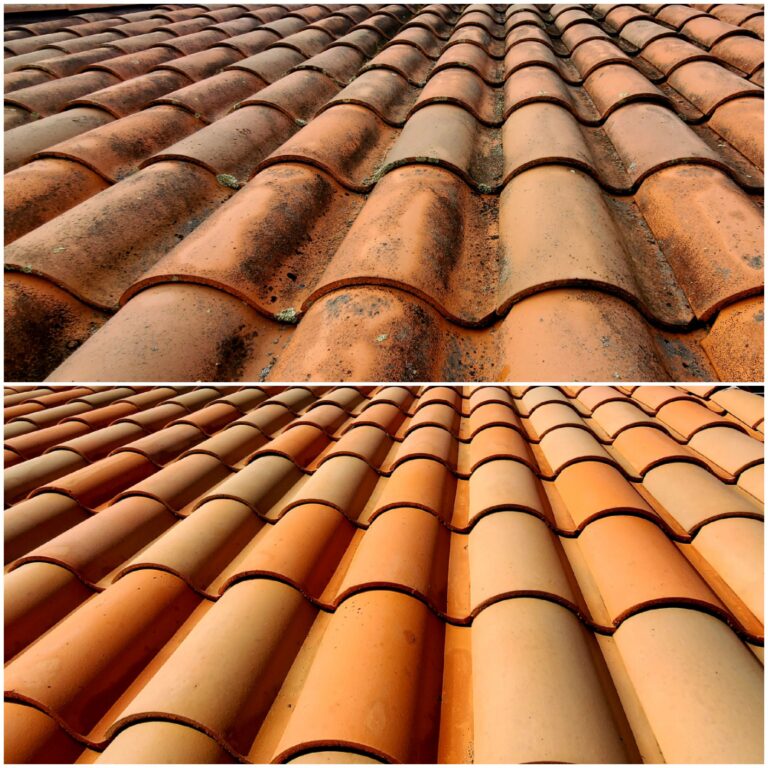
When choosing the right way to clean a property’s exterior, one of the most common questions is whether to use soft washing vs pressure washing. The answer depends on the surface, the type of contamination being removed, and the condition of the material.
Pressure washing relies primarily on water pressure and mechanical cleaning, while soft washing uses lower pressure with cleaning solutions selected for the surface and contamination. Neither method is automatically better. Professional exterior cleaning often involves choosing the appropriate method—or combination of methods—for each part of the property.
What Is Pressure Washing?
Pressure washing uses pressurized water to remove dirt, grime, buildup, and other contaminants from durable exterior surfaces. When performed correctly, it can be an efficient way to clean materials capable of handling greater mechanical force.
Pressure washing is commonly used for surfaces such as:
- Concrete driveways and sidewalks
- Patios and other hardscapes
- Certain brick and masonry surfaces
- Commercial concrete
- Some heavily soiled exterior surfaces
The amount of pressure used should always be appropriate for the material being cleaned. More pressure does not necessarily mean better cleaning. Excessive pressure or improper technique can damage concrete, mortar, coatings, painted surfaces, and other exterior materials.
What Is Soft Washing?
Soft washing uses significantly lower water pressure and relies more heavily on properly selected cleaning solutions, application methods, and dwell time to loosen or treat contamination.
It is particularly useful when dealing with organic growth such as algae, mildew, mold, and other biological buildup.
Soft washing is commonly appropriate for:
- Stucco
- Siding
- Painted exterior surfaces
- Roofs
- Building exteriors
- Other surfaces where excessive pressure could cause damage
For many properties in North County San Diego, soft washing is especially useful for exterior surfaces affected by organic growth while allowing the cleaning method to be adjusted to the material being treated.
Soft Washing vs Pressure Washing: What’s the Difference?
The biggest difference between soft washing and pressure washing is how the cleaning is accomplished.
Pressure washing relies more heavily on the mechanical action of pressurized water. Soft washing relies more heavily on cleaning chemistry and lower-pressure application.
That distinction matters because exterior surfaces don’t all respond to cleaning in the same way.
A concrete driveway may tolerate a cleaning process that would be inappropriate for painted stucco or a roof. Likewise, organic growth may require treatment rather than simply trying to blast the visible discoloration away.
Professional exterior cleaning is therefore less about choosing one method for an entire property and more about matching the cleaning process to each surface.
When Is Pressure Washing the Better Choice?
Pressure washing is generally best suited to durable hard surfaces where mechanical cleaning can safely and efficiently remove accumulated soil and buildup.
Concrete is one of the most common examples. Driveways, sidewalks, patios, walkways, and similar surfaces often benefit from professional surface cleaning combined with appropriate pressure and cleaning solutions.
Pressure washing can also play a role in cleaning certain masonry and hardscape surfaces, although the age and condition of the material should always be considered before cleaning begins.
When Is Soft Washing the Better Choice?
Soft washing is generally the better approach when a surface requires lower pressure or when organic contamination is the primary problem.
Stucco, siding, painted surfaces, and many roofing materials can be vulnerable to aggressive pressure. Using an appropriate soft-washing process allows the contamination to be treated without relying on excessive mechanical force.
This is particularly important for roof cleaning, where simply increasing pressure can create unnecessary risk to the roofing material.
Can Soft Washing and Pressure Washing Be Used Together?
Yes. In fact, many professional exterior cleaning projects use both soft washing and pressure washing.
A property might have organic growth on the building exterior, for example, while also having heavily soiled concrete walkways and a stained driveway. Treating every surface with exactly the same process would make little sense.
The building exterior may require a low-pressure treatment while the concrete benefits from surface cleaning and controlled pressure.
The objective isn’t to choose a winning method. It’s to use the safest and most effective process for each surface.
What About Rust, Irrigation and Other Stains?
Some exterior discoloration isn’t primarily dirt or organic growth at all.
Rust, irrigation deposits, efflorescence, battery acid discoloration, fertilizer stains, and certain mineral deposits can require specialty stain-removal chemistry rather than conventional soft washing or pressure washing.
Trying to remove these stains simply by increasing water pressure can be ineffective and may damage the underlying surface.
Identifying the type of stain before treatment is an important part of choosing the correct exterior-cleaning process.
Which Cleaning Method Is Right for Your Property?
For most homeowners, the answer to soft washing vs pressure washing depends on what is being cleaned.
Durable concrete and hardscape surfaces may benefit from controlled pressure washing. Stucco, siding, roofs, and other more sensitive surfaces may require soft washing. Specialty staining may require an entirely different treatment process.
A professional exterior-cleaning assessment should consider the surface material, its condition, the type of contamination, surrounding landscaping, drainage, access, and other site conditions before determining the cleaning method.
North Coast Exteriors provides residential exterior cleaning throughout North County San Diego using cleaning methods selected for the surfaces and conditions present at each property.
Contact North Coast Exteriors for an estimate if you’re unsure which cleaning method is appropriate for your property.
Expert roof cleaning in North County San Diego, backed by over a decade of exterior-cleaning experience and proven commercial capability.
Quick Links
- Home
- Roof Cleaning
- Residential Services
- Commercial Services
- Rust & Stain Removal
- Expert Advice
- About
- Contact
Contact & Service Area
- 760-237-8770
- Based in San Marcos, California
- Serving North County San Diego, San Diego County, South Orange County, and Temecula
- Commercial projects throughout Southern California
© 2026 North Coast Exteriors. All rights reserved.